
What Makes a Good Landing Page and AI Tools Guide
Learn what makes a good landing page and how AI tools like landing-page.io can help you create high-converting pages quickly.
What Makes a Good Landing Page and How AI Tools Can Help
Creating an effective landing page is both an art and a science. For businesses looking to capture leads, drive conversions, or promote a specific offer, understanding what makes a good landing page is critical. A high-performing landing page doesn’t just look attractive—it guides visitors through a carefully designed path toward a desired action. In this guide, we’ll break down the key elements of a successful landing page and explore how modern AI tools, like Landing-Page, can streamline the process and enhance performance.
Understanding the Purpose of a Landing Page
Before diving into design and content specifics, it’s essential to clarify the role of a landing page. Unlike a website homepage, a landing page has a single, focused objective—whether that’s capturing an email address, promoting a product, or encouraging sign-ups. This singular focus is why landing pages often outperform general website pages in conversion rates.
Key objectives to consider when asking what makes a good landing page include:
- Lead Generation: Collect user information through forms.
- Product Promotion: Highlight a product or service with clear benefits.
- Event Registration: Encourage sign-ups for webinars, workshops, or events.
- Special Offers or Discounts: Present time-sensitive offers to drive urgency.
A clear objective guides all design and copy decisions, ensuring every element contributes to the ultimate conversion goal.
Essential Components of a High-Converting Landing Page
When considering what makes a good landing page, several structural and content elements consistently appear in high-performing pages:
Compelling Headline
The headline is the first thing visitors see, and it needs to immediately communicate the value proposition. Effective headlines are:
- Clear and concise: Avoid jargon or ambiguity.
- Benefit-driven: Show visitors what problem will be solved.
- Attention-grabbing: Use strong, action-oriented language.
Example: Instead of “Welcome to Our Service,” use “Grow Your Email List by 300% in Just 30 Days.”
Supporting Subheadline
While the headline grabs attention, the subheadline reinforces the offer and provides additional context. It bridges the headline and the body content, guiding the reader deeper into the page.
Engaging Visuals
Images, videos, or graphics should complement the message without distracting. Research shows that pages with relevant visuals increase user engagement and comprehension.
- Use high-quality images of products or services.
- Include explainer videos if the offer is complex.
- Avoid generic stock photos that don’t reinforce your brand.
Clear and Persuasive Copy
The body copy must focus on the visitor’s needs, not just features. To answer what makes a good landing page from a content perspective:
- Highlight benefits over features.
- Break content into short, scannable sections.
- Use bullet points to emphasize key advantages.
Example: “With our AI landing page builder, you can create a fully optimized page in minutes, boost conversion rates, and reduce manual design time.”
Strong Call-to-Action (CTA)
The CTA is arguably the most crucial element. It must stand out visually and clearly instruct the visitor on what to do next. Tips for effective CTAs:
- Use action verbs: “Download Now,” “Get Started,” “Claim Your Free Trial.”
- Maintain contrast with the background.
- Position CTAs above the fold and repeat them at strategic points.
Social Proof and Trust Signals
Trust is essential for conversions. Including testimonials, reviews, or recognizable client logos can improve credibility:
- Customer testimonials with real names and photos.
- Case studies demonstrate measurable results.
- Trust badges for payment security or industry certifications.
Minimal Navigation and Distractions
Unlike a full website, a landing page should minimize outbound links and distractions. The goal is to guide visitors to your CTA without confusion.
Mobile Optimization
With increasing mobile traffic, a landing page must be fully responsive. This includes:
- Fast loading times.
- Clear, tappable buttons.
- Readable text without zooming.
How AI Tools Can Transform Landing Page Creation
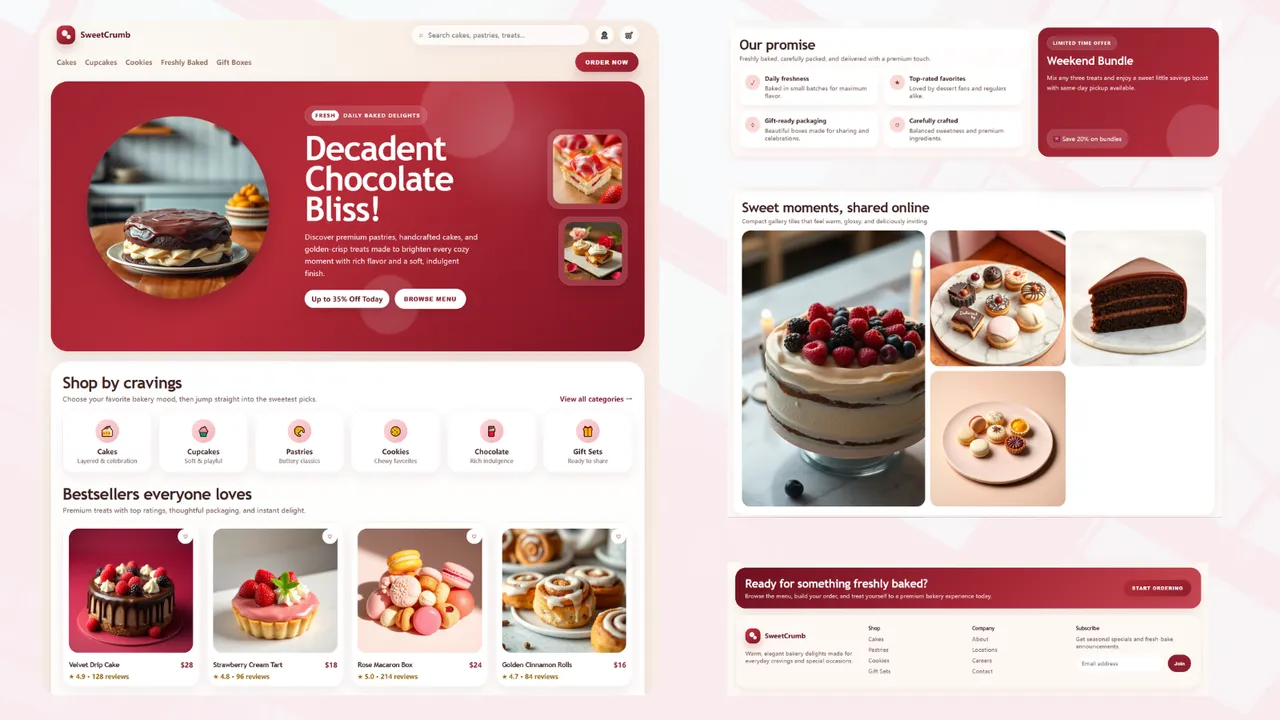
While traditional landing page design requires significant time and expertise, AI tools like Landing-Page are revolutionizing the process. These platforms help users create high-converting pages without extensive design or coding knowledge.
.webp)
AI-Powered Design Recommendations
Landing-Page leverages AI to analyze your goals and content, automatically generating design layouts optimized for conversion. This helps answer what makes a good landing page in practice:
- Automatically balances visual hierarchy and white space.
- Suggests color schemes and typography that align with your brand.
- Generates responsive designs suitable for all devices.
Content Optimization
AI tools don’t just handle visuals—they can also assist with copywriting. For example:
- Craft compelling headlines and subheadlines.
- Recommend persuasive bullet points emphasizing benefits.
- Optimize text for clarity, engagement, and SEO.
Streamlined Integration
Landing-page and similar AI builders can easily integrate with email marketing, CRM, and analytics tools. This ensures that:
- Leads captured through the landing page flow directly into your marketing funnel.
- Performance tracking is seamless and actionable.
- Marketing campaigns can scale without added complexity.
Practical Example: Applying AI to Build a High-Converting Landing Page
Let’s say your objective is to promote a new webinar. Here’s how AI tools can assist:
- Generate AI Design: The tool creates a landing page layout with headline, subheadline, visuals, and CTA placement optimized for conversions.
- Optimize Copy: AI suggests benefit-focused text, bullet points, and persuasive CTAs.
- Launch and Monitor: Integration with email marketing captures leads, while analytics track performance for continuous improvement.
By leveraging AI in this way, businesses can achieve professional, high-converting landing pages quickly, without needing a dedicated design team.
How to Use Landing-Page to Generate a Stunning Website
Creating a high-converting landing page with Landing-Page is simple and fast. Follow these four steps:
- Input Your Content – Provide your headline, description, and key details about your product, service, or offer.
- Wait for AI to Generate – The platform automatically creates a complete landing page layout, including text suggestions, visuals, and call-to-action placement.
- Edit and Customize – Review the AI-generated content, adjust copy, images, and layout to match your brand and messaging.
- Publish Your Page – Once satisfied, publish the landing page directly and start capturing leads or driving conversions.
With just these four steps, a professional, high-converting landing page can be built quickly—no coding or design skills required.
Key Takeaways
Understanding what makes a good landing page is critical for any business looking to improve conversions. Core principles include:
- Clear, benefit-driven headlines and subheadlines.
- Engaging visuals and persuasive, scannable copy.
- Strong, visible CTAs and minimized distractions.
- Social proof and trust signals to build credibility.
- Mobile-friendly design and continuous A/B testing.
AI tools, especially platforms like Landing-Page, make it easier than ever to implement these principles. By automating design, copy optimization, and testing, AI enables marketers to create high-converting landing pages quickly and efficiently, bridging the gap between strategy and execution.
Whether you’re a small business or a marketing professional, combining the knowledge of what makes a good landing page with AI-powered solutions ensures your campaigns are not just visually appealing but also strategically effective.
Conclusion
Creating a successful landing page requires a careful balance of design, content, and user experience. Understanding what makes a good landing page—from compelling headlines and persuasive copy to strong CTAs and trust-building elements—sets the foundation for higher conversions and better engagement. By leveraging AI tools like Landing-Page, businesses can streamline this process, generate optimized designs, and continuously test improvements without the need for extensive technical expertise. Combining proven landing page principles with AI-driven solutions ensures your pages are not only visually appealing but also strategically effective, turning visitors into loyal customers and driving measurable results for your campaigns.
Ready to Create Your Landing Page?
Apply these insights and build high-converting landing pages in minutes with our AI-powered builder.